Do Sanctuary Cities Reduce Fear?
José E. Múzquiz (University of Southern California), Gariel Elías Martínez (University of New Mexico), & Loren Collingwood (University of New Mexico)
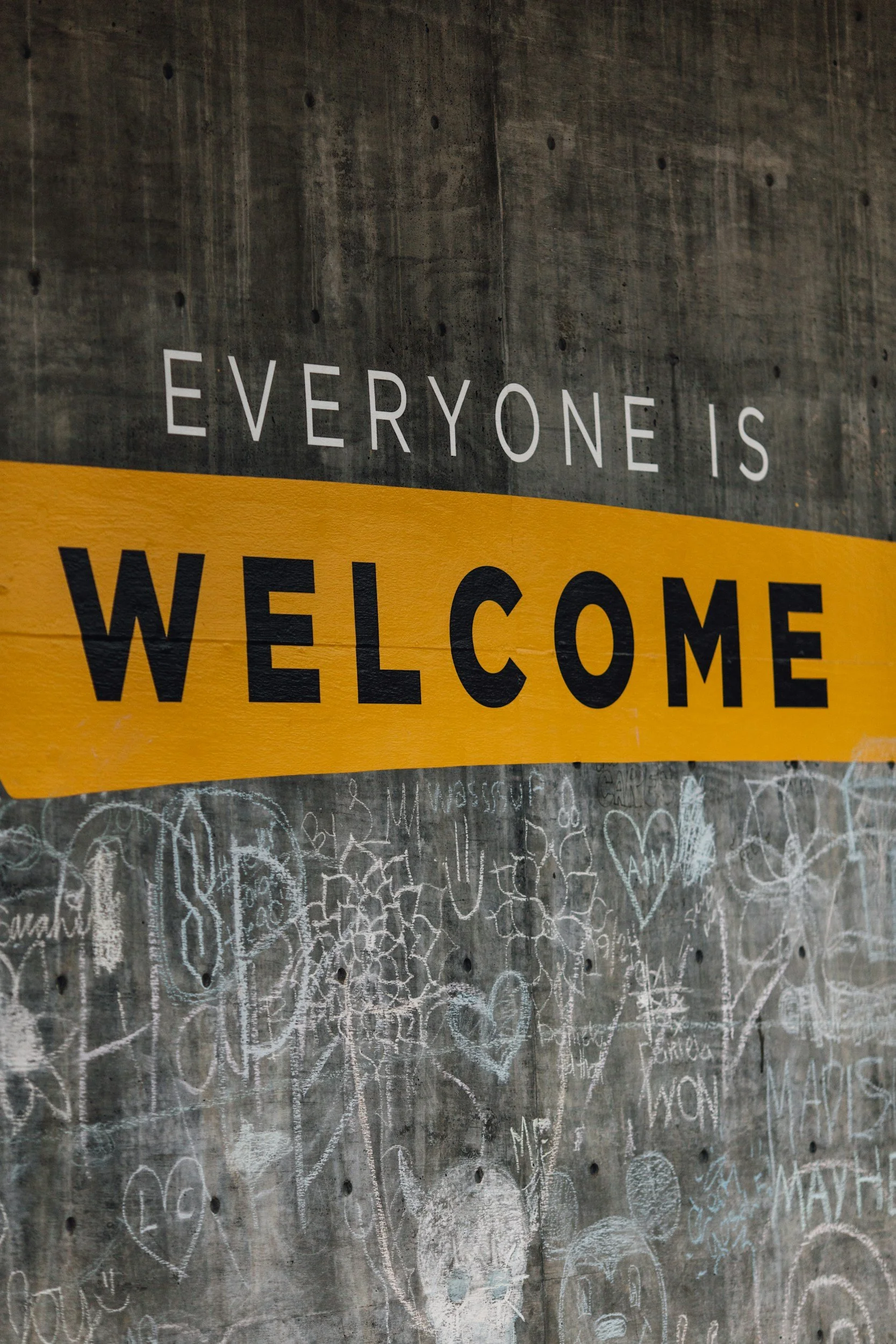
Fear changes behavior. Based on an original survey of Mexican undocumented immigrants in the United States, our research reveals that those afraid of deportation pull back from the most routine interactions of modern life — talking to police, enrolling children in school, visiting a hospital, even leaving a phone number at a restaurant. These are the small acts through which people participate in society. When fear suppresses them, the consequences ripple outward.
But here is the critical finding: sanctuary policies make a measurable difference. Immigrants who believe they live in a sanctuary city report greater comfort sharing personal information across a range of everyday settings. Policy designed to limit cooperation with federal immigration enforcement does, in fact, shape how safe people feel moving through their world.
There is a catch. Sanctuary policies help most when fear is moderate. When fear becomes intense — when deportation feels imminent rather than hypothetical — their protective effect largely vanishes. At the highest levels of fear, people withdraw regardless of what local protections exist. This finding exposes a hard limit on what local reform can accomplish when federal enforcement turns aggressive.
Beyond the Usual Debate
Public debates over sanctuary cities fixate on crime statistics, legal authority, and partisan positioning. Far less attention goes to a more fundamental question: do these policies actually change how immigrants navigate daily life? Our findings say yes — but not in the straightforward way that either advocates or critics tend to claim.
Consider the current moment. Since 2025, immigration enforcement has grown more visible and more aggressive across the United States. Coverage of raids, detentions, and deportations saturates the news cycle, and enforcement has been deliberately concentrated in sanctuary jurisdictions. Fear is elevated. Threat is omnipresent.
What our data show is stark: when fear crosses a certain threshold, local policies cannot counteract it. Sanctuary cities can build pockets of trust, but they cannot insulate people from a broader climate of intimidation.
The Survey
To investigate these dynamics, we surveyed roughly 1,500 undocumented Mexican immigrants across six major U.S. cities — Los Angeles, Chicago, New York, Dallas, Phoenix, and Atlanta. This is not a population easily reached by researchers, and most existing work relies on indirect proxies or small samples. Our study captures responses directly from the people targeted by federal enforcement and meant to benefit from sanctuary protections.
Two questions anchor the analysis:
Currently, how afraid are you of being detained or deported?
How comfortable are you sharing personal information at hospitals, schools, banks, or in encounters with police?
We also asked whether respondents believed they lived in a sanctuary city. That perception, it turns out, matters as much as — if not more than — formal policy designations.
What We Found
Three patterns emerge clearly from the data.
First, fear of deportation consistently suppresses willingness to share personal information. This extends well beyond law enforcement encounters into healthcare, education, and basic economic activity. Fear does not stay contained; it bleeds into every corner of daily life.
Second, believing you live in a sanctuary city increases comfort with sharing information. The effect is modest but remarkably consistent across settings. Sanctuary policies shape how safe people feel engaging with institutions — even imperfectly, even at the margins.
Third — and most consequentially — these forces interact. Sanctuary policies matter most for people who are not overwhelmed by fear. For them, living in a sanctuary city meaningfully increases willingness to engage. But for those experiencing acute fear, the gap between sanctuary and non-sanctuary contexts nearly disappears.
Why This Matters
Sharing personal information is a basic condition of participation in modern life. You cannot access healthcare, open a bank account, enroll a child in school, or report a crime without providing some form of identification. When people avoid doing so, the consequences compound. Health deteriorates. Crimes go unreported. Economic participation becomes precarious. Communities fracture quietly.
What Policymakers Should Take Seriously
Sanctuary policies work — up to a point. They reduce the chilling effects of immigration enforcement, but they cannot eliminate them, particularly during periods of heightened federal activity. Local governments can build trust, but that trust is fragile when broader enforcement signals undermine it.
If the goal is immigrant integration, focusing exclusively on local policy is insufficient. Our findings demonstrate that the national enforcement environment sets the ceiling on how effective local protections can be.
Fear is not abstract. It determines whether people see a doctor, report a crime, or participate in everyday economic life. Sanctuary cities can reduce that fear and encourage civic engagement — but they are not a silver bullet. When fear becomes pervasive, even well-designed local policies struggle to bring people out of the shadows.
José E. Múzquiz is a political scientists and cultural studies scholar. He recently completed his PhD in political science and international relations at the University of Southern California and is a visiting fellow at the U.S.-Mexico Studies Center at UCSD. He has published academic papers on fear of deportation among undocumented immigrants in the United States, legislative representation in México and diversity among Latine Trump voters.
Gabriel Elias Martinez is a Ph.D. candidate in the Department of Political Science and a doctoral fellow at the UNM Center for Social Policy. His research interests include American politics specifically; Gabriel Elias focuses on racial-ethnic politics and immigration.
Loren Collingwood is an associate professor in the Department of Political Science at the University of New Mexico. He is the author of Sanctuary Cities: The Politics of Refuge (2019) and Campaigning in a Racially Diversifying America: When and How Cross-Racial Electoral Mobilization Works (2019) both with Oxford University Press.