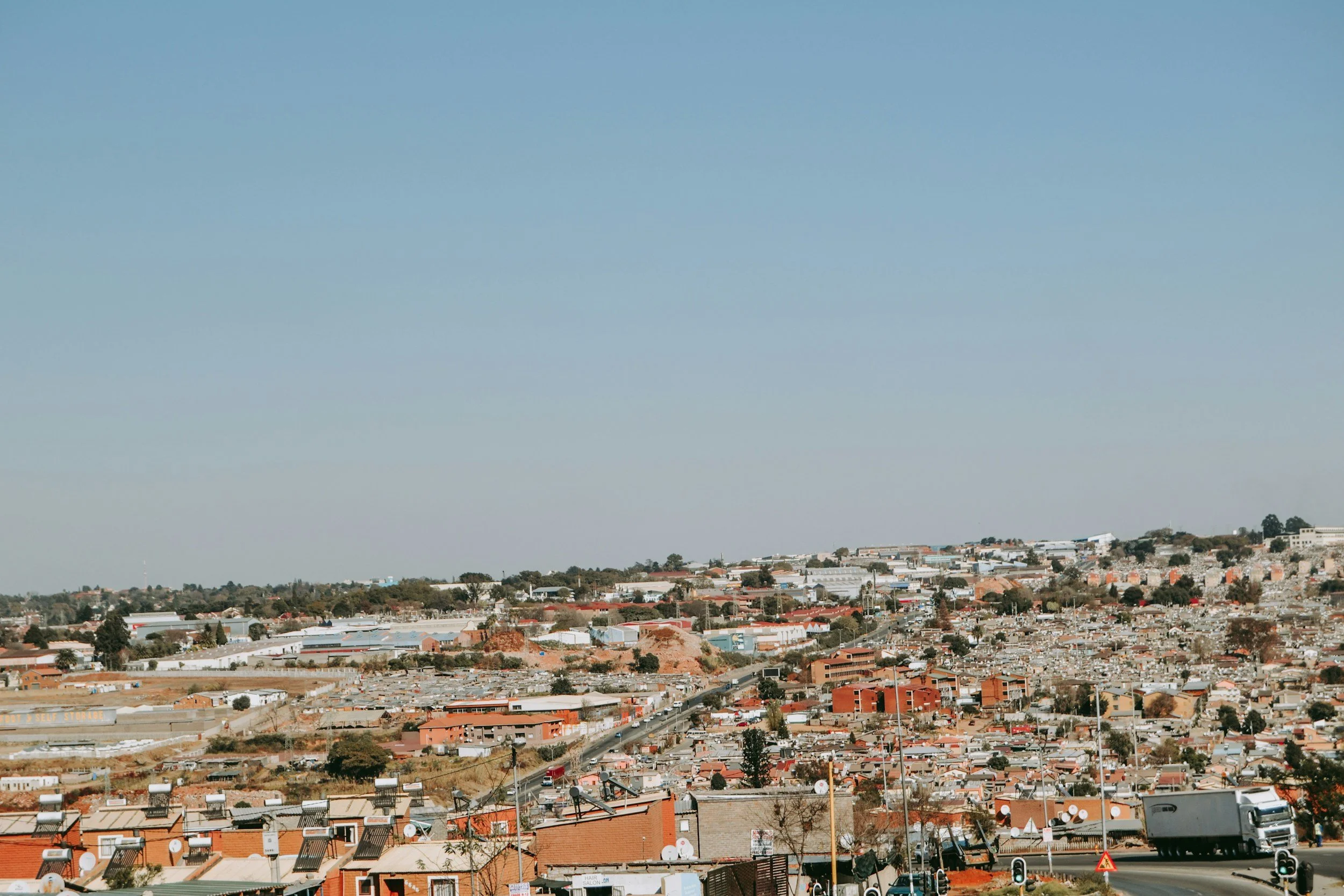
Reimagining Public Participation in Urban Development
Public participation is widely regarded as a cornerstone of democratic urban governance. Around the world, governments and planners have embraced participatory practices to involve residents in decisions that shape their cities. Yet much of the academic and policy discourse continues to frame participation as a state-led process, where the public is invited by government actors to engage in predetermined formats designed to improve plans, policies, and projects.
On Their Own Terms
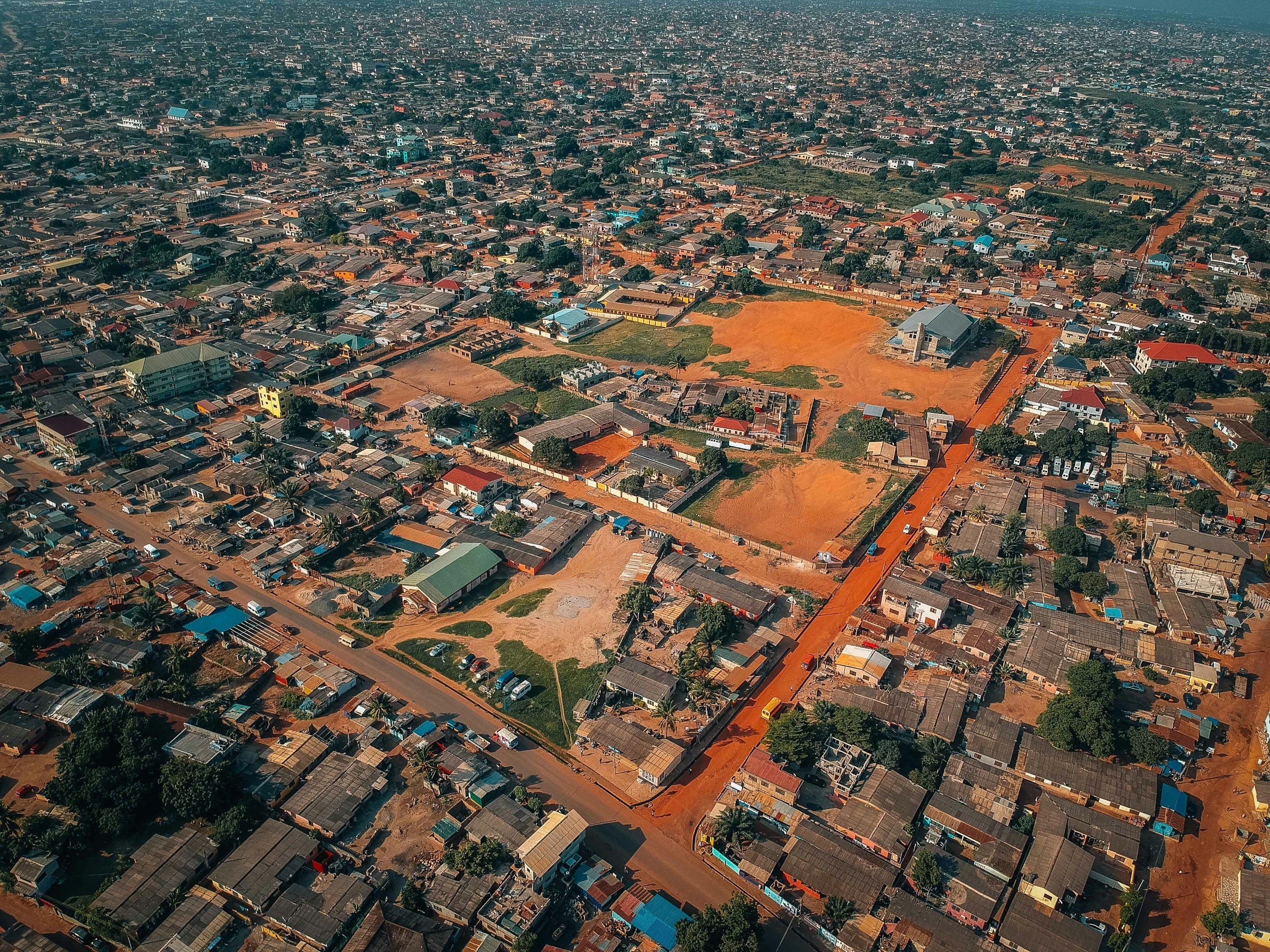
Informal settlements are urban communities where most people build homes and live without formal approval from government authorities. Residents in these communities often lack access to basic infrastructure and services such as clean water, proper sanitation and electricity. At the same time, they face a constant struggle for inclusion in urban governance and decision-making processes. To address some of these challenges, governments, policymakers and urban planners promote participatory mechanisms – community meetings, local councils, and consultations – as tools to ensure that marginalized communities have a say in shaping their neighborhoods. But do these mechanisms genuinely lead to meaningful inclusion, or are they just tokenistic gestures? This question inspired us to conduct a study in Nima and Old Fadama, Accra’s largest informal settlements.