Why Mayors Matter
How Polish Cities Stepped Up for Ukrainian Forced Migrants
Igor Lyubashenko (SWPS University) & Dominika Wojtowicz (Kozminski University)
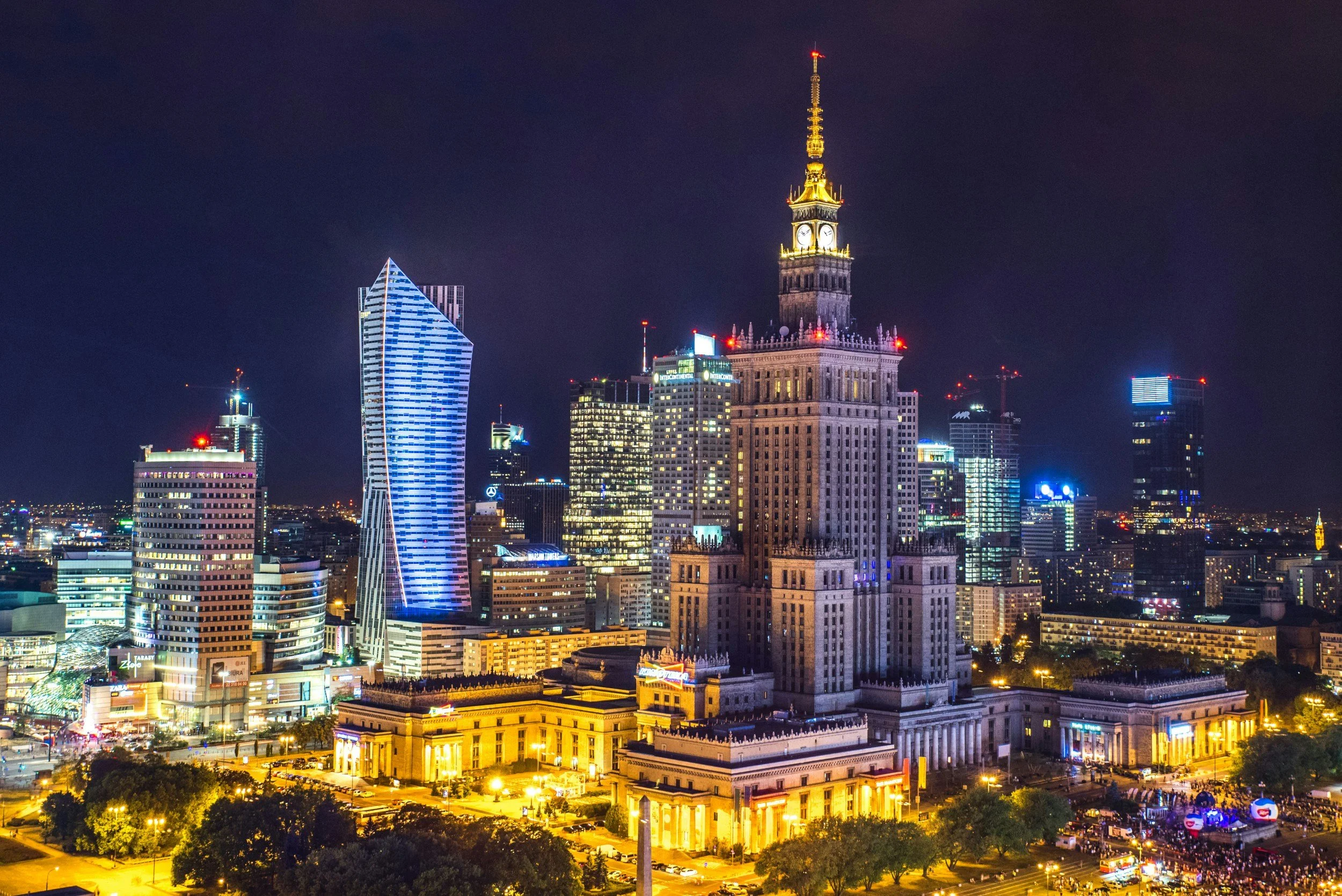
When Russia invaded Ukraine in February 2022, over 1.5 million people fled to Poland in a matter of weeks. Poland had no national integration strategy, no refugee camps, and very little experience managing large-scale displacement. Cities, rather than the central government, became the frontline responders and improvised solutions for housing, healthcare, education, and social support with minimal guidance from above.
But not all cities responded in the same way. Some went well beyond the legal minimum, setting up multilingual help centers, launching job placement programs, building partnerships with dozens of NGOs, and creating entirely new municipal departments to coordinate the response. Others stuck to the basics: processing registrations and distributing the nationally mandated one-time allowance of 300 PLN (roughly 65 EUR). What explains the difference?
Our study, published in Urban Affairs Review, analyzed twelve major Polish cities to answer this question. The central finding is clear: mayoral leadership was the single necessary condition for a proactive city response. In every city that went beyond minimal compliance, strong political leadership from the mayor was present — without exception. No amount of resources, favorable public opinion, or institutional capacity produced a proactive response in the absence of an engaged mayor. This matters because Poland is a highly centralized country when it comes to migration policy. Municipalities have no legislative authority over immigration. The national government sets the rules and controls the funding. Yet within that tight framework, some mayors found room to act — mobilizing local coalitions, securing external partnerships, and stretching their mandates to address urgent needs that national policy left unmet.
There is no single recipe for success. Our analysis identified four distinct pathways through which cities achieved proactive responses, each reflecting a different combination of local conditions:
In Warsaw and Poznan, strong mayoral leadership combined with good economic conditions and strong socio-economic opportunities drove a proactive response — even though public attitudes toward refugees were comparatively less enthusiastic than elsewhere. These cities built formal coordination structures, created comprehensive integration programs, and engaged the business sector in employment initiatives. In Wroclaw and Katowice, cities faced large refugee inflows and high economic precarity among newcomers but benefited from receptive communities and strong local economies. They invested in intercultural dialogue, organized round tables with diverse stakeholders, and developed research partnerships with universities to inform policy. Lodz had limited economic resources and lower institutional capacity, but a determined mayor and supportive community attitudes enabled the creation of a new Department for Social Integration of Foreigners, along with dedicated commissioners and systematic evaluation mechanisms. Bialystok, similarly constrained in resources, took a pragmatic approach by building bilingual information platforms, partnering with roughly 50 NGOs organized into thematic working groups, and conducting direct needs assessments through surveys.
These varied pathways carry a practical lesson for policymakers: there is no single template for effective refugee reception. Cities with fewer resources can compensate through organizational creativity and community partnerships. Cities facing less welcoming public attitudes can still act decisively when political leaders choose to lead. The findings also challenge a common assumption in migration policy: that favorable public opinion is a prerequisite for proactive integration efforts. Several cities in our study adopted ambitious programs despite lukewarm community sentiment. Strong leadership, it turns out, can shape the political environment rather than simply respond to it.
Poland's experience holds broader relevance as cities worldwide increasingly find themselves managing displacement with limited national guidance. From Colombian cities absorbing Venezuelan migrants to Jordanian municipalities hosting Syrian refugees, the pattern recurs: central governments set frameworks, but cities do the actual work. Understanding what enables some cities to rise to the challenge — and what holds others back — is essential for improving responses to future crises.
Our research suggests that investing in local leadership capacity may be one of the most effective strategies for strengthening refugee reception. Training programs for municipal leaders, peer networks connecting mayors across cities facing similar challenges, and governance reforms that give local leaders more room to act could all make a meaningful difference when the next crisis arrives.
The 2022 Ukrainian refugee crisis tested Polish cities in unprecedented ways. The cities that responded most effectively were not necessarily the wealthiest or best-resourced — they were the ones with leaders willing to act.
Igor Lyubashenko is an associate professor and a member of the Center for Policy Design and Evaluation at SWPS University, Warsaw, Poland. His research examines public policy effectiveness, institutional adaptation, and qualitative methodology, including qualitative comparative analysis and process tracing. He also explores the application of computational methods and artificial intelligence in policy evaluation and social research.
Dominika Wojtowicz is an associate professor in the Department of Economics and a member of the Sustainable Development Center at Kozminski University in Warsaw, Poland. Her research focuses on the effectiveness of public policies implemented across all administrative tiers. She is an expert in the evaluation of projects and programs co-financed by EU funds and has coordinated research projects on modern methods and tools for assessing specific areas of public intervention.