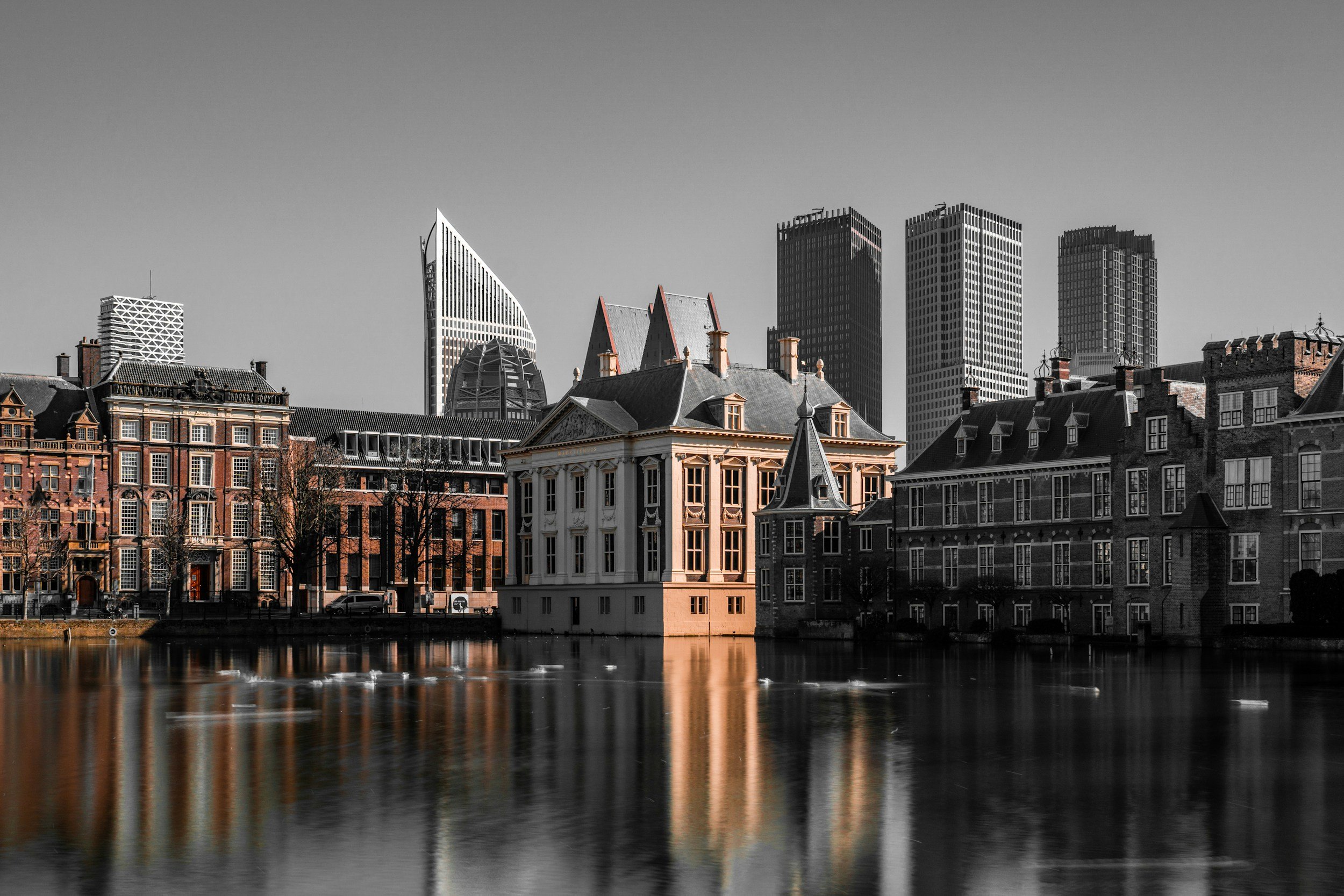
Size, Rurality, Peripherality and Mergers
Contrary to other countries such as Denmark, in the Netherlands local party systems shows signs of reverse nationalisation. Using data from seven municipal elections between 1998 and 2022, we observe that the Dutch local party system nationalisation index decreases considerably over time, meaning more independent local parties in the local council. We find that size, rurality, peripherality and mergers all have an influence on the index.
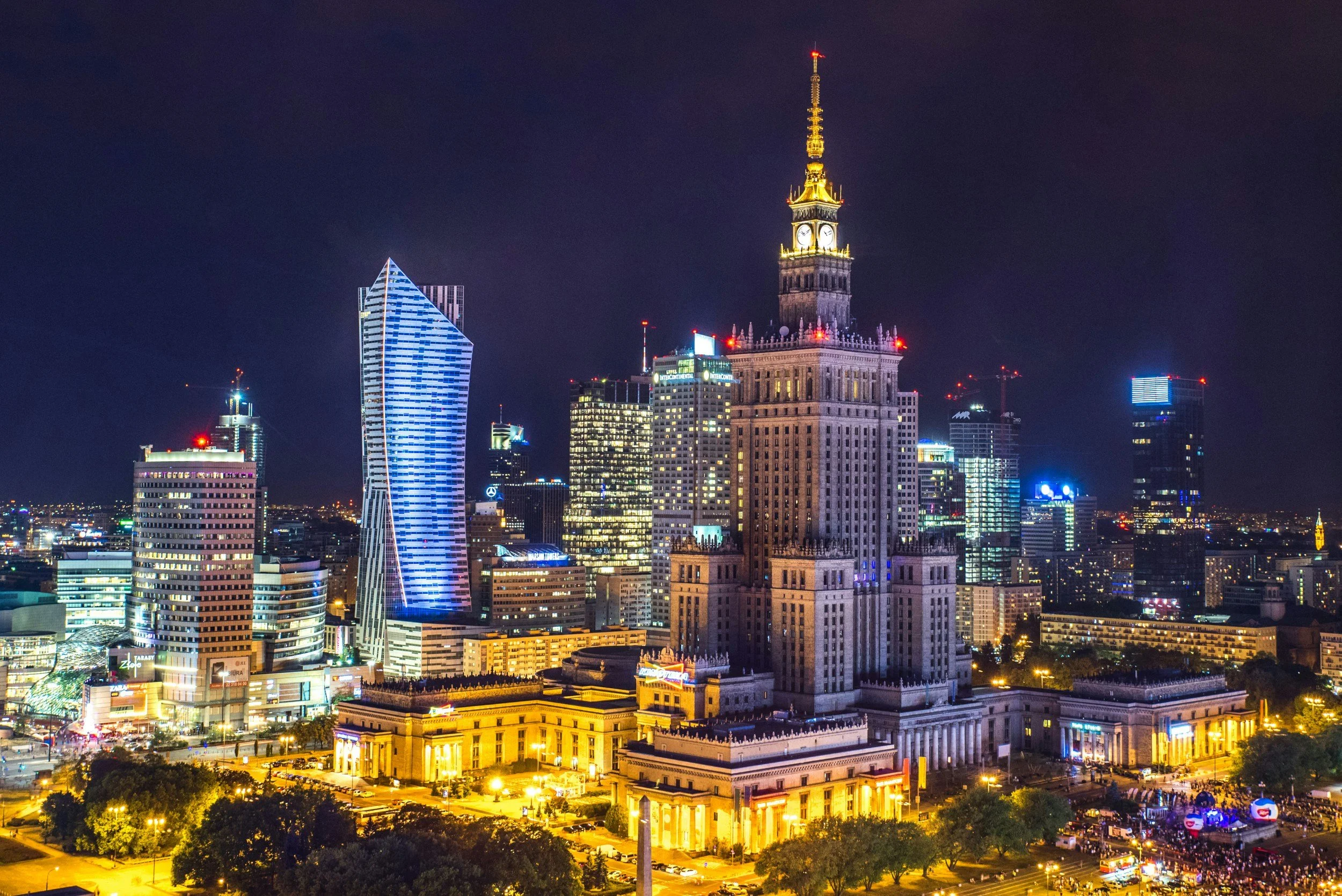
Why Mayors Matter
When Russia invaded Ukraine in February 2022, over 1.5 million people fled to Poland in a matter of weeks. Poland had no national integration strategy, no refugee camps, and very little experience managing large-scale displacement. Cities, rather than the central government, became the frontline responders and improvised solutions for housing, healthcare, education, and social support with minimal guidance from above.
Are Direct Mayoral Elections Holding Women Back?
Across Europe, women are steadily increasing their presence in local councils, yet they are still far less likely to become mayors. Our research suggests that the way mayors are elected plays an important role in shaping this legislative-executive gender gap. We conducted the cross-sectional time-series analysis using the original dataset describing women’s descriptive representation among local councils and local executives in 33 European countries. We found that countries where mayors are directly elected by citizens tend to have fewer women mayors compared to countries where councillors elect the mayor or the executive committee.

What’s in it for the big ones?
In urban governance, collaboration between municipalities is a common strategy to produce and provide services. However, the motivations behind such collaborations can vary significantly between city and suburban municipalities. Our recent study explores these differing motivations and explains why larger municipalities engage in intermunicipal cooperation (IMC) despite having the resources to operate independently.
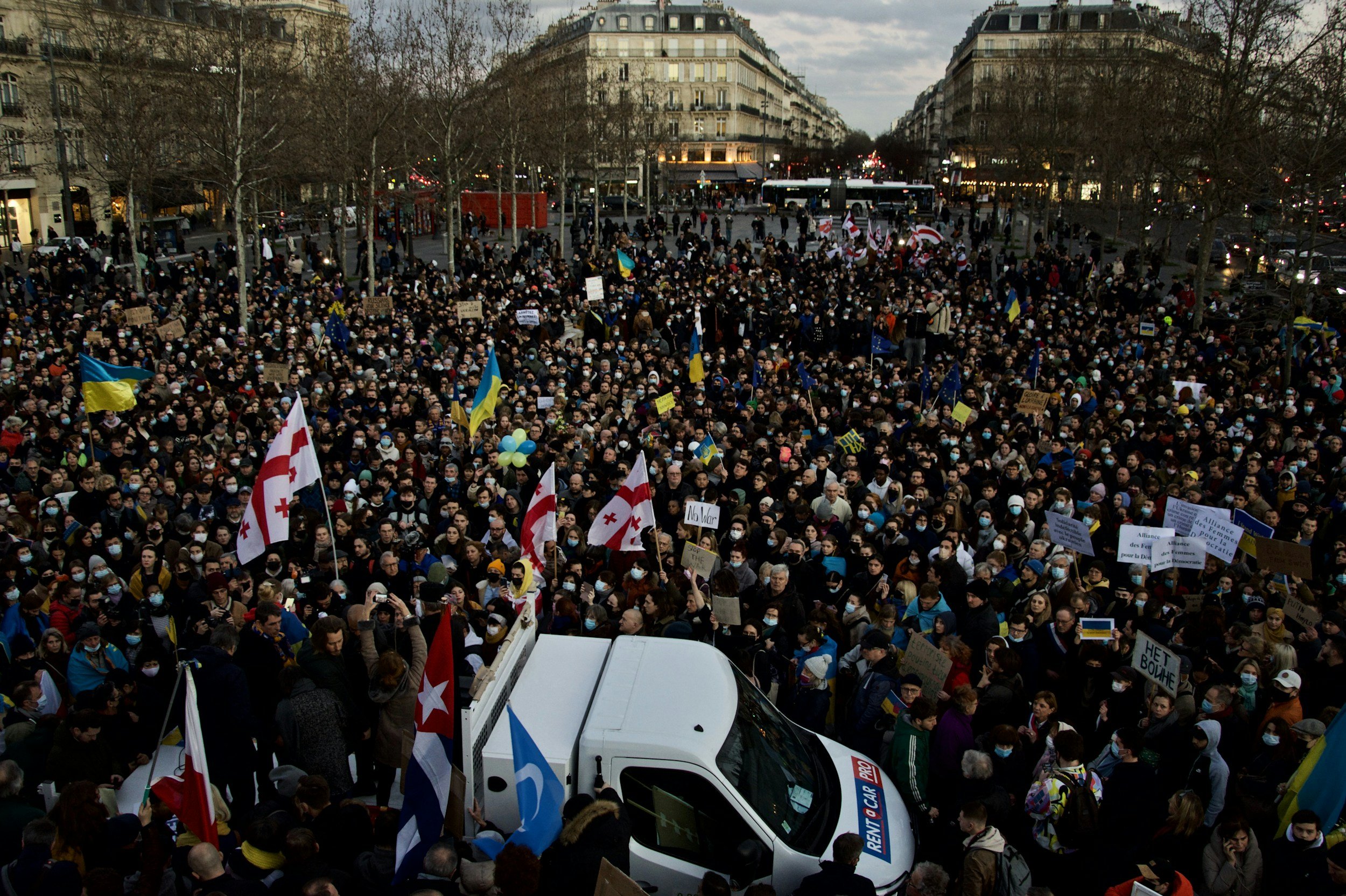
Neo-Progressivism and Urban Politics in the Ongoing Interregnum
Over the past decade, neo-progressive candidates have been elected to lead several major cities across Europe and the United States: the mayors of change in Spain (2015-2019), the Green mayors in France (2020), as well as leaders in Athens, Berlin, Naples, Preston, and Zagreb. These politicians share a common agenda: rejecting urban austerity policies, promoting more democratic governance, ensuring fair access to public services, fighting against social inequalities and advancing ecological resilience. This shift is particularly significant, as urban governance had been dominated by the neoliberal paradigm since the 1980s, emphasizing economic competitiveness, territorial attractiveness, and budgetary discipline.