Anti-Mafia, Migrant Rights, and Community Economic Development in Western Sicily
Domenic Vitiello (University of Pennsylvania)
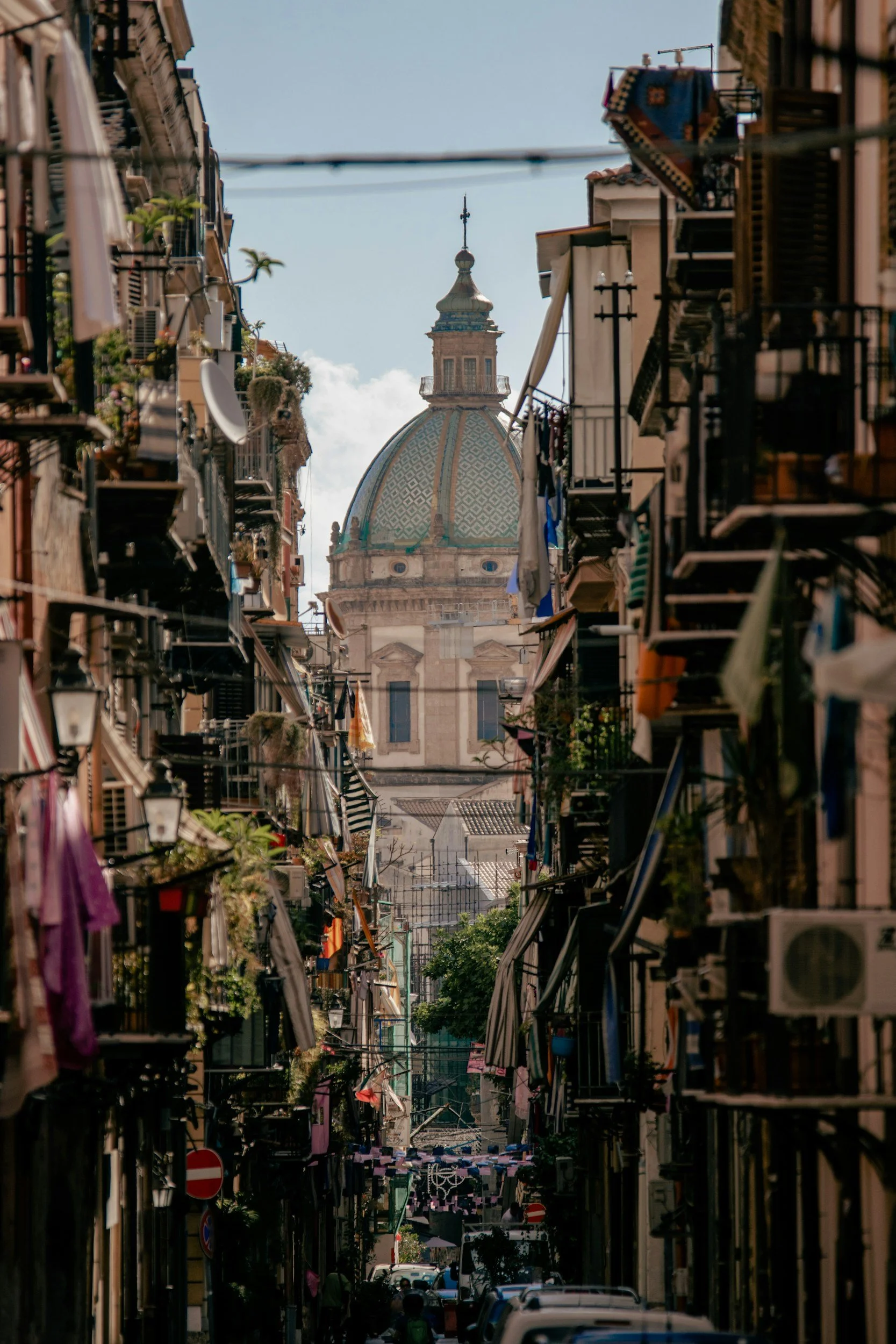
Headlines in the international media have celebrated the decline of the Sicilian mafia and the immigrant-led revitalization of its birthplace, the city of Palermo, in the twenty-first century. “From mafia city to a haven for refugees: Palermo moves on from its criminal past,” declared The Guardian in 2015. As European politicians and media fretted over a new “migration crisis” that year, with a sharp rise in illegal crossings of the Mediterranean Sea, the mood in Palermo appeared different. “The center of Sicily’s biggest city was emptied by the mafia. Now it’s being reclaimed by migrants,” repeated Quartz (2016); and the The Guardian (2017) again heralded “The resurrection of Palermo: From mafia battlefield to cultural capital.”
But these headlines masked old and new challenges at the intersection of organized crime, migration, human rights, and urban governance. Cosa Nostra, the Sicilian mafia, is not dead, and Nigerian, Chinese, and Eastern European mafias have followed migrants to Italy. These and other mafias collaborate in migrant smuggling and trafficking networks and in the illicit drugs and commercial sex markets in Sicily. Mafia interests exploit migrants in agriculture, hospitality, and other work. Indeed, migrants without legal status provide a new exploitable class of people for organized crime in the region.
For these and other reasons, anti-mafia movements in Sicily have become migrant rights movements in the twenty-first century. Their longstanding promotion of legality and the rights that follow from it, and the increasingly intersectional nature of anti-mafia movements since the late twentieth century, positioned them as allies of migrants whose pathways to legal migration, residence, and work have been ever more restricted by Italian and European authorities. As Sicily became a destination for diverse migrants from Africa and Asia and right-wing parties gained power in Rome, anti-mafia movements’ commitments to anti-racism and anti-fascism became ever more prescient.
Most anti-mafia and migrant rights activists view the state as responsible for creating the conditions that allow mafias to exploit migrants. Italy and Europe’s externalization of borders, denial of asylum, and dysfunctional bureaucracies produce a large population of exploitable people without legal status. Mafia interests have gained a major share of the contracts to operate state-funded welcome centers for asylum claimants. Mafias and other unscrupulous employers prey on the centers’ residents, recruiting them into precarious work as they await legal papers that could lead to more secure, dignified labor and housing situations.
This open-access article, based on some 50 interviews in Palermo, documents how and why anti-mafia movements embraced migrant rights and examines the variety of anti-mafia work that city government and civil society have pursued in recent years. Anti-mafia means both curtailment of organized crime and creating alternative legal opportunities for people to thrive – in other words, community economic development.
In city government, the administration of longtime Mayor Leoluca Orlando, Italy’s foremost anti-mafia mayor since the 1980s, advanced the nation’s most aggressive efforts to create new forms of urban citizenship giving people access to rights in the twenty-first century. Put another way, Orlando became Italy’s leading “solidarity city” and “sanctuary city” mayor in the 2010s. His signing of some migrants’ residence permits in 2019-2020 provided more concrete protections and access to rights than any North American sanctuary city or state policy. The House of Rights municipal bureaucracy his administration created to support migrants, along with anti-mafia cooperatives that operate asylum seeker welcome centers in the city, helped reduce organized crime influence in those centers within the city. Yet the national government’s tightening of borders and asylum policy, along with the constrained powers of mayors in Italy, limited the extent to which urban governance could solve larger problems of exploitation and corruption in the housing and labor markets.
Civil society initiatives of various sorts have confronted migrants’ labor exploitation by organized crime in numerous ways, in sectors ranging from agriculture to hospitality. These, too, have achieved mixed results. They range from labor unions and Italian-led social centers to migrant community associations and the anti-trafficking organization Women of Benin City, Italy’s first such group led by women who experienced sex trafficking themselves. Among migrant shopkeepers in Palermo, a group of mostly Bangladeshi merchants and their allies in a prominent anti-racked organization won an important conviction against the criminal gang that extorted them. But this case was exceptional, as migrant-owned businesses in the city and region have largely shied away from confronting the mafia clans that shake them down for protection payments.
Ultimately, despite important victories, the challenges of mafia exploitation among the increasingly vulnerable migrants in urban and rural Western Sicily persist. Despite innovations in urban governance and a vibrant civil society advancing anti-mafia and migrant rights work in Palermo, the Italian state and European Union have ironically made it increasingly difficult for migrants to attain legal status and the rights that follow from it.
These dynamics of illegalized migration growing opportunities for organized crime to exploit people throughout the entire migration and settlement cycle are not unique to Italy and the Central Mediterranean. They are increasingly pressing challenges around the world, from the Americas to Africa and Asia, as well. The success or failure of government and civil society efforts to combat mafias’ exploitation of migrants is one of the defining human rights challenges of the twenty-first century.
Domenic Vitiello is Professor of City Planning and Urban Studies at the University of Pennsylvania. He grew up around anti-mafia movements led by Danilo Dolci and has worked in recent years with migrant-led community associations in Western Sicily. His scholarship and practice also focus on immigrant rights and community development in North America, including his award-winning book The Sanctuary City.