Multiple Dimensions of Urban Inequality
Yue Zhang, UAR Co-Editor
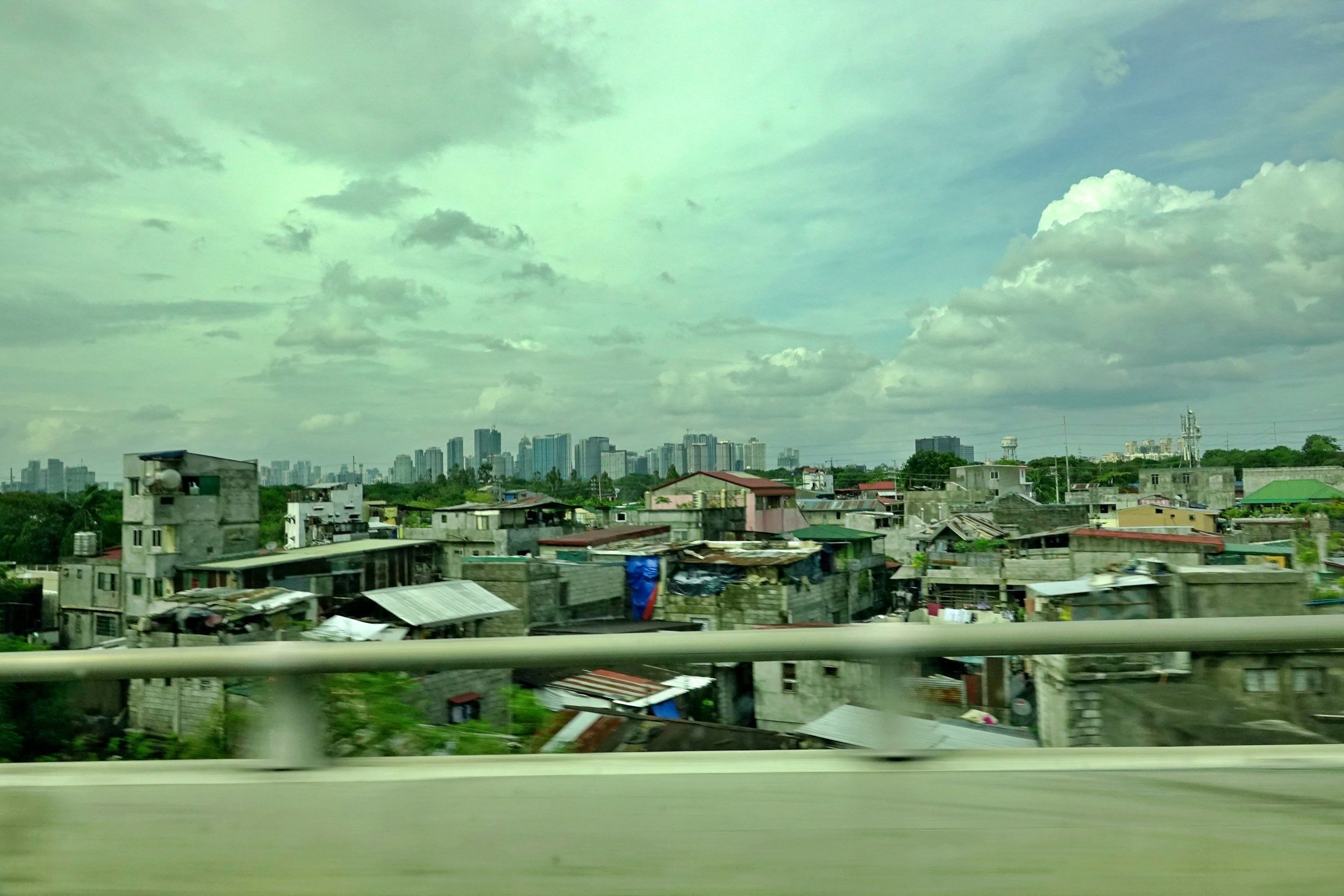
Inequality has been a central concern in urban politics, with multiple dimensions ranging from institutional and territorial to economic and social. The four articles selected here collectively show that urban inequality is not produced by a single mechanism, but emerges through the interaction of institutional design, economic restructuring, labor market transformation, and differentiated citizenship across global contexts.
Ostrom (1983) investigates the relationship between institutional structure and inequality. She challenges the widely accepted “social stratification-government inequality thesis” that municipal fragmentation in metropolitan areas tends to increase inequality in the distribution of scarce resources. She shows that the empirical foundations of this claim are often weak and cautions against policy prescriptions that assume metropolitan consolidation will automatically reduce disparities. Her argument promotes a more nuanced understanding of governance structure as a direct driver of inequality.
Shifting from the inter-urban to the intra-urban scale, Mallach (2014) demonstrates how urban revitalization in older U.S. industrial cities produces highly uneven spatial and social outcomes. The dynamics of revitalization have tended to concentrate population and job growth in small parts of the city, while excluding the rest of the city. This process intensifies racial and income polarization within cities, as the benefits of revitalization bypass large portions of urban space and population.
While both Ostrom (1983) and Mallach (2014) focus on urban America, Crankshaw (2012) and Wu and Wang (2014) provide a comparative global perspective by highlighting how inequality is also structured through labor markets and citizenship regimes. Crankshaw (2012) shows that deindustrialization in Cape Town has not simply generated a uniform low-wage workforce, but rather a polarized structure marked by high unemployment alongside a growing professional class. Although some occupational positions have become less racially exclusive, inequality persists through uneven access to stable employment.
Similarly, Wu and Wang (2014) demonstrate that in Beijing and Shanghai, migrants experience differentiated access to housing and social benefits. While market reforms have improved the overall housing conditions, the life quality of workers remains strongly shaped by their origin and education, revealing how institutionalized boundaries of citizenship continue to structure urban inequality.
Together, these articles suggest that urban inequality is produced through multiple dimensions and overlapping mechanisms, including institutional design, economic restructuring, labor market, and citizenship regimes. These dynamics may be further intensified under the current political and economic climate, generating an urban crisis with more entrenched inequality across contexts.