When Encampments Are Cleared, the Harm Spreads Further Than We Think
Jeff Rose (University of Utah), Maddie Fuchs (Salt Lake County Environmental Health), Kaitlyn Ricks (University of Utah), Margeaux Rice (University of Utah), Adrienne Cachelin (University of Utah)
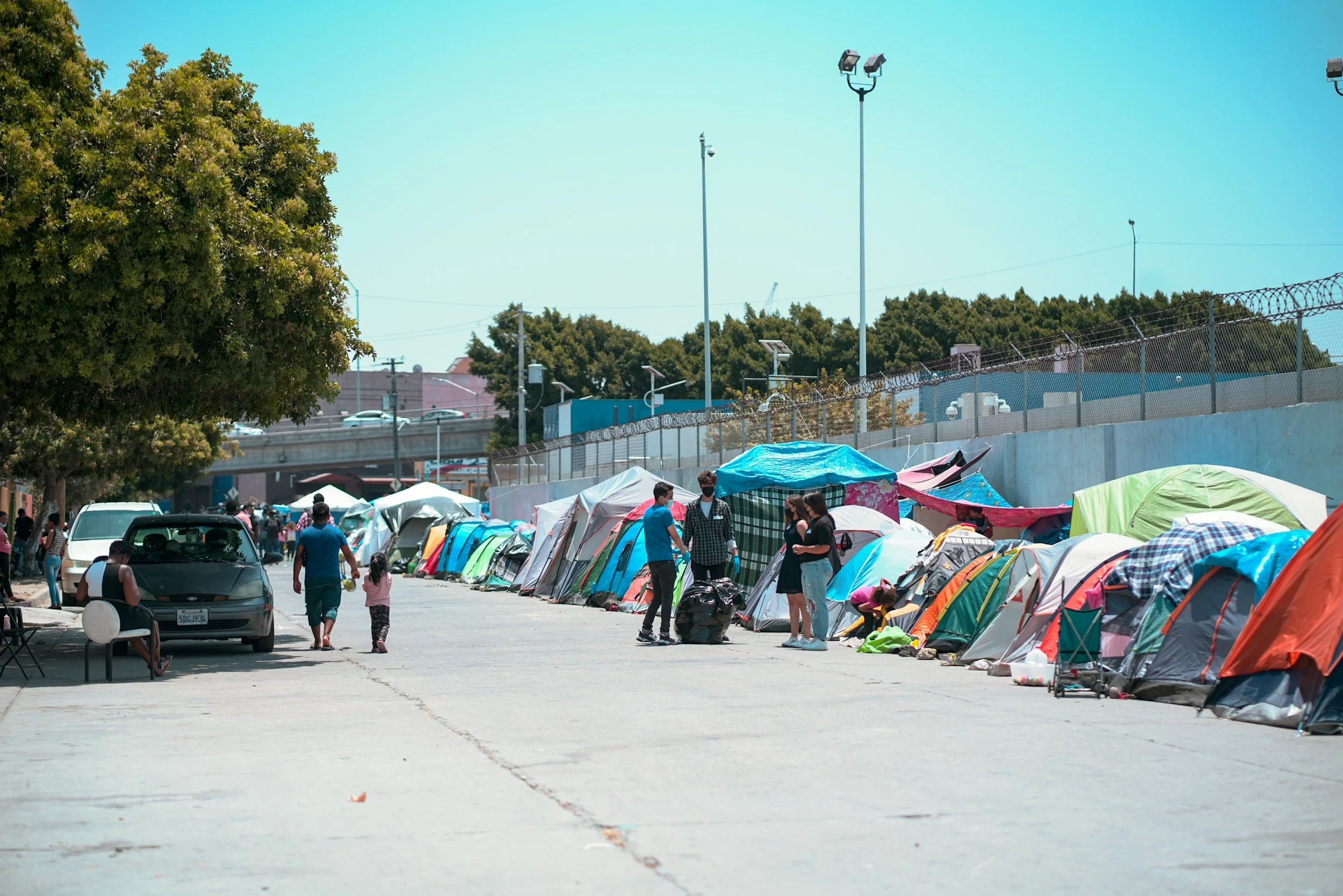
Across U.S. cities, homeless encampments are being cleared at an accelerating pace. These “sweeps,” “cleanups,” or “abatements” are typically justified in the name of public health, safety, or order. The harm to people living in encampments is increasingly well documented. What is far less visible is another consequence: the emotional toll these displacements take on the people who are tasked with carrying them out.
Our recently published study in Urban Affairs Review shows that encampment displacements are not just traumatic for people experiencing homelessness, it is also deeply distressing for frontline workers, service providers, advocates, and government staff who plan, witness, and enforce these actions. Many of these individuals entered their jobs to help people. They often find themselves repeatedly participating in events they describe as painful, demoralizing, and ethically troubling.
This matters because displacement is often treated as a routine administrative response to homelessness. Our findings suggest it is anything but routine, and that continuing down this path has serious consequences for communities.
Why Look at Workers?
Most research on encampment displacement focuses, rightly, on people who are forced to move: the loss of belongings, disruption of social ties, worsening health outcomes, and increased risk of harm. But displacement is also a process, involving many people beyond those who are displaced.
We interviewed people in Salt Lake City who work in or around encampment displacements, including government staff, public health workers, mutual aid volunteers, housing advocates, and service providers. Salt Lake City is not unique: it faces rising housing costs, limited shelter capacity, extreme weather, and local ordinances that criminalize camping in public spaces—conditions shared by many cities across the country.
Our interviews focused on how displacements happen and why. In these interviews, emotional responses surfaced again and again, unprompted, across roles and organizations. This pattern told us something important: emotional impacts of displacement work are seemingly unavoidable.
Workers Don’t Take These Jobs to Hurt Others
One of the clearest findings from our study is that most people involved in displacement work are motivated by care, not punishment. Many described entering the field because of:
A desire to help people facing homelessness
A long-standing commitment to human rights or public service
Personal or family experience with homelessness, addiction, or housing instability
Some left paid work to volunteer. Others stayed in emotionally exhausting jobs because they felt walking away would mean abandoning people who needed support. This challenges the common assumption that displacement workers are indifferent or punitive by nature.
The Emotional Reality of Displacement Work
Despite these motivations, participants described a heavy emotional burden tied to displacement events. Four emotions came up repeatedly:
Anger and resentment
Workers expressed frustration with broken systems, misleading public narratives, and being blamed for policies they did not create. Some described anger at having to enforce rules that clearly do not solve homelessness.Empathy
Many spoke about recognizing how destabilizing displacement is for people already living in crisis. Watching tents destroyed, belongings discarded, and communities fractured takes a toll.Sadness and grief
Participants described a sense of loss: loss of dignity for displaced residents, loss of hope that things would improve, and loss of joy in work that once felt meaningful. Several talked about burnout so severe that organizations dissolved or staff left the field entirely.Hope
Despite everything, many still expressed hope, a belief that with housing, healthcare, and sustained support, people can and do move out of homelessness. Hope often appeared alongside calls for better policies and more humane approaches.
Together, these emotions paint a picture of a workforce under strain, caught between legal mandates, public pressure, and personal ethics.
“We Know This Isn’t Working”
A striking finding is that many displacement workers themselves openly question the effectiveness of encampment clearings. They described displacements as expensive, repetitive, and seemingly futile, moving people from one place to another without addressing the root causes of homelessness.
As one participant put it, displacements can feel like “leaf blowing,” where the problem looks temporarily cleaner, but nothing actually changes.
Even when workers justified displacements using safety or sanitation concerns, they often did so with regret. Several noted that small, preventative measures, like providing bathrooms, dumpsters, or sanctioned spaces, could reduce many of the issues used to justify displacement in the first place.
What Workers Say Would Actually Help
Participants consistently pointed to alternatives that would reduce harm for everyone involved:
Housing-first approaches, including deeply affordable and permanent supportive housing
Sanctioned or supported encampments, where people can stabilize and access services
Non-congregate shelter options, such as hotel or motel conversions
Public education, to counter the idea that homelessness is a moral failing rather than a systemic issue
Trauma-informed support for workers, including counseling, peer support, and realistic workloads
These suggestions align closely with national recommendations from homelessness experts and organizations, but remain underutilized in many cities.
Why This Matters Now
This research is especially timely. In 2024, the U.S. Supreme Court’s decision in Johnson v. Grants Pass expanded cities’ ability to criminalize unsheltered homelessness, even when adequate shelter is unavailable. This ruling is likely to increase encampment displacements nationwide.
Our findings suggest that doubling down on punitive approaches will not only worsen outcomes for people experiencing homelessness, it will also deepen trauma, burnout, and moral injury among the workers tasked with enforcing these policies.
Rethinking “Order”
Encampment displacements are often framed as necessary to restore “social order.” But when these actions harm displaced residents, traumatize workers, drain public resources, and fail to reduce homelessness, we must ask: order for whom, and at what cost?
Homelessness is not a personal failure; it is the predictable result of housing shortages, economic inequality, and inadequate social safety nets. Addressing unsheltered homelessness requires structural solutions, not repeated removals.
Our study shows that the harms of displacement ripple outward, affecting far more people than is usually acknowledged. Recognizing this broader impact is a critical step toward policies that are not only more humane, but more effective.