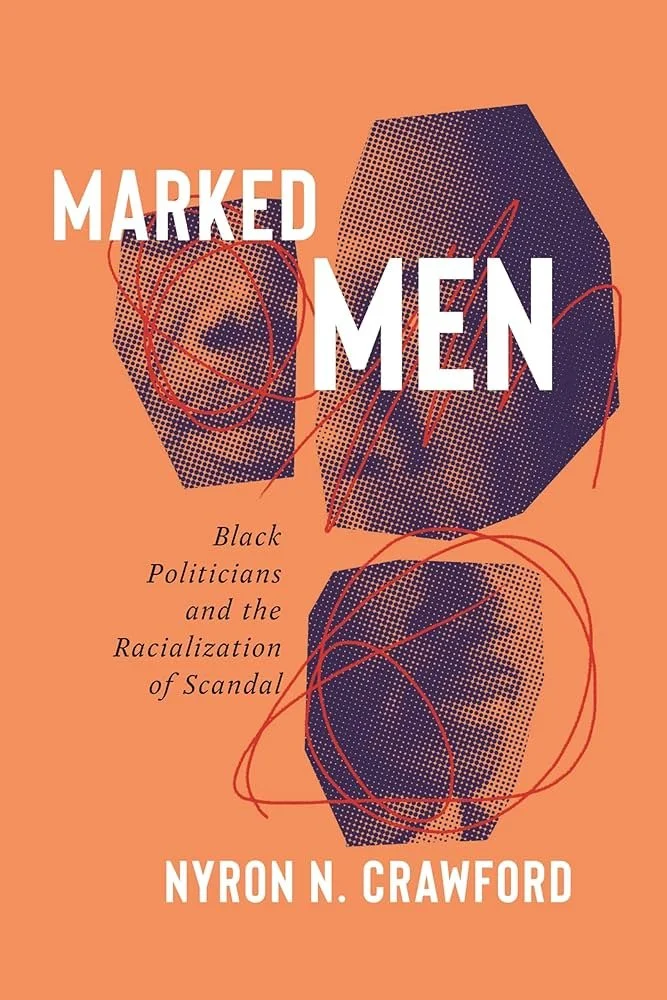
New Books: Marked Men
In this episode, we’re speaking with Nyron Crawford, author of Marked Men: Black Politicians and the Racialization of Scandal, published in 2024 by NYU Press. Marked Men complicates the common perception that Black elected officials are forgiven for their transgressions because of the commitments and benefits made to constituents. Instead, Crawford demonstrates that “racialized suspicion” shapes the way Black voters rally to protect their embattled Black political representatives.
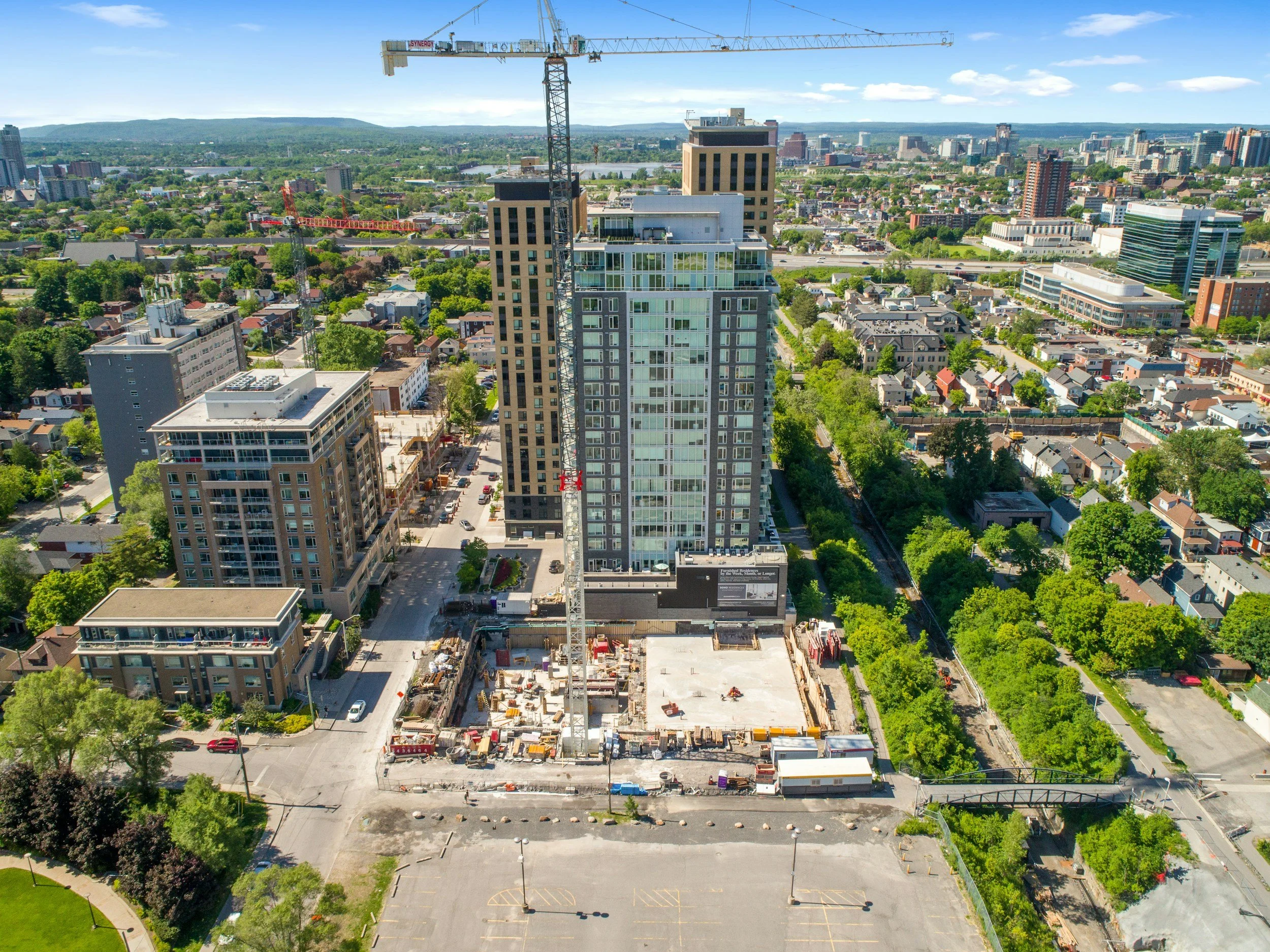
Measuring Gentrification with Mortgage Application Data
Our study presents a new approach to measuring U.S. gentrification at the census tract level. We utilize a popular public data set – the Home Mortgage Disclosure Act (HMDA) Loan Application Register – and leverage it in an unconventional way. The premise of our study is that there is valuable information about household income levels contained within this mortgage banking dataset. More specifically, the mortgage application data can provide a window into the income levels of households who are seeking to move into a neighborhood. We develop several new measures that benchmark the income of mortgage applicants against existing homeowners in a neighborhood. In our study we show statistically significant relationships between these measures and more traditional gentrification over the 2010 to 2017 period. Furthermore, instead of using a binary measure of gentrification, our tool allows one to gauge the breadth and intensity of the gentrification forces occurring from homebuyer demand in a given tract.
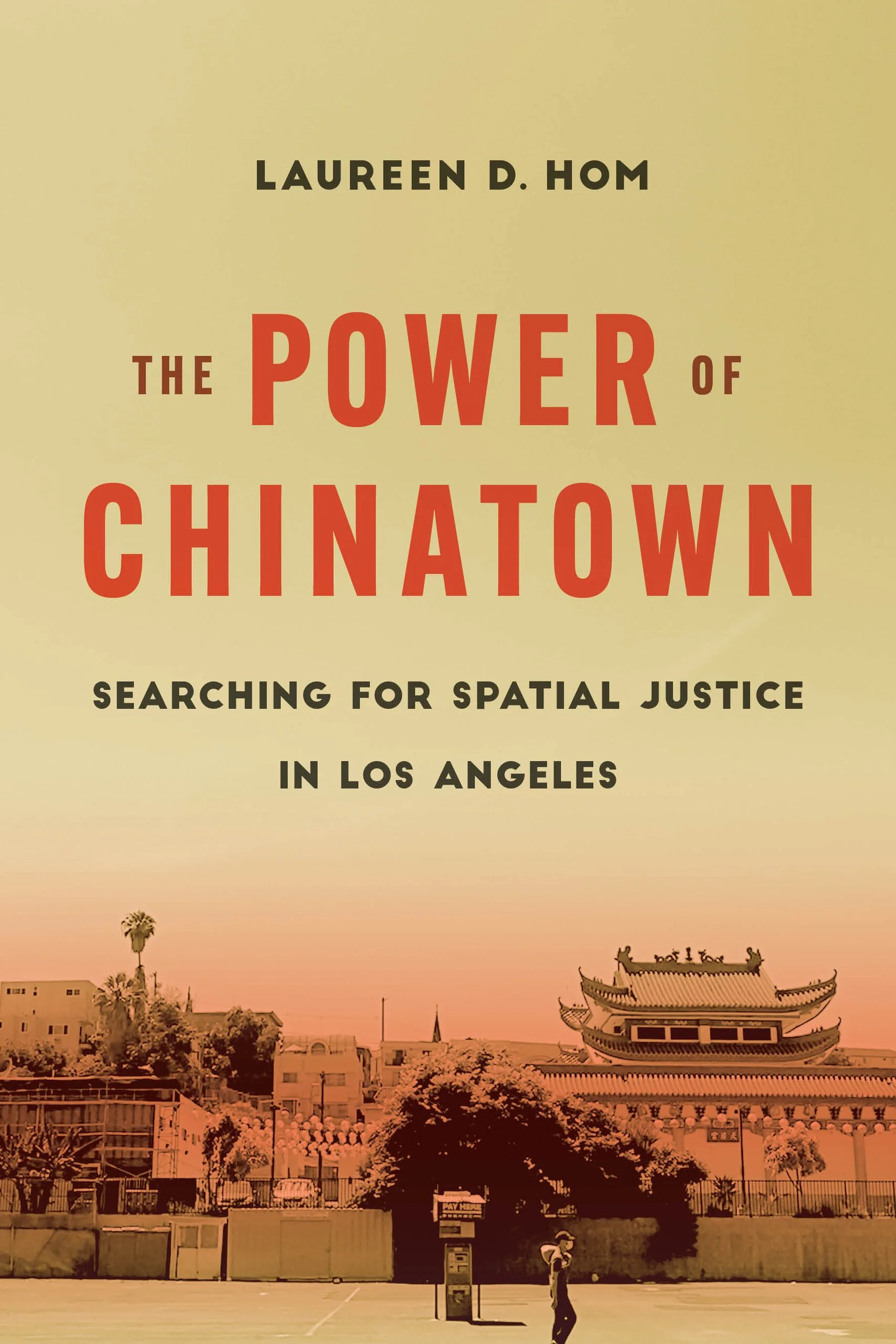
New Books: The Power of Chinatown
Tune in for our conversation with Laureen Hom, author of The Power of Chinatown: Searching for Spatial Justice in Los Angeles, published in 2024 by University of California Press. In The Power of Chinatown, Hom draws on ethnographic fieldwork to explore how and under what conditions residents and business owners in LA’s Chinatown challenge and mobilize dynamics of gentrification and community change.

Political Architecture: Contextual Development and Opposition to Housing
Over the past few years, the architecture of new apartment buildings has received significant attention. In particular, a style of new building sometimes called “fast-casual” or “gentrification architecture.” Many readers may recognize these buildings: blocky, generally black-and-white (although some come with neon pops of color), and unornamented. They’ve inspired countless debates, with critics calling them ugly and bland, or more creatively “Lego structures” and “oversized tin cans.”
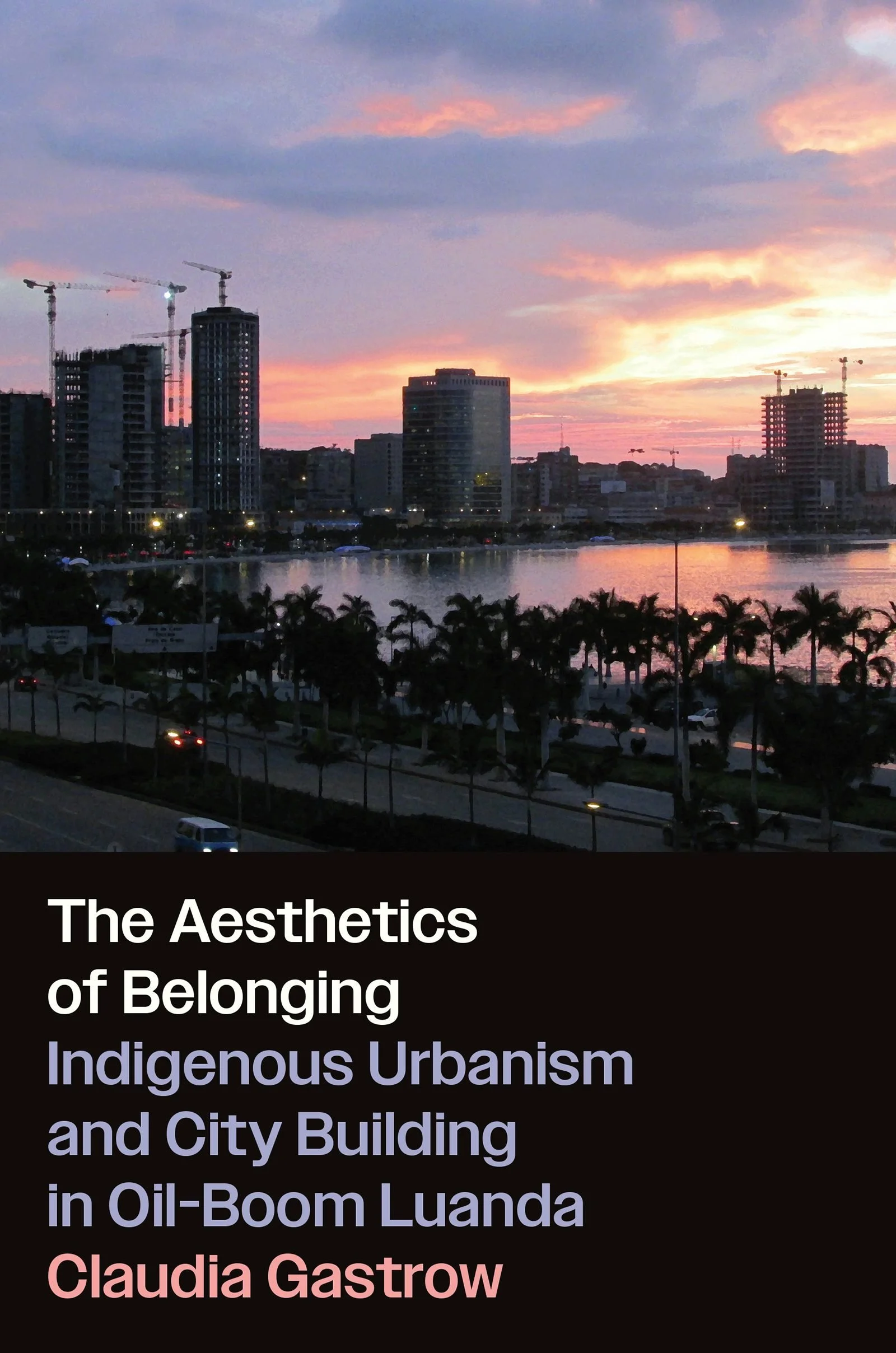
New Books: The Aesthetics of Belonging
In this episode, we’re speaking with Claudia Gastrow, author of The Aesthetics of Belonging: Indigenous Urbanism and City Building in Oil-Boom Luanda, published in 2024 by University of North Carolina Press. The Aesthetics of Belonging draws on archival and ethnographic research to explore the political significance of aesthetics in the remaking of Luanda.

Cultured Sites of Contestation
Across Europe and beyond, cities are reimagining abandoned military sites as vibrant cultural spaces. But what happens when the very institutions that support these transformations begin to commodify them? Our paper explores this tension by comparing two distinct governance models for culture-led regeneration of former military barracks, Metelkova in Ljubljana and Kasárna Karlín in Prague, which have both significantly enriched their neighborhoods through creative placemaking, demonstrating how culture can transform abandoned urban spaces into vibrant spaces.

New Books: The Right to Suburbia
Tune in for our conversation with Willow Lung-Amam, author of The Right to Suburbia: Combating Gentrification on the Urban Edge, published in 2024 by UC Press. The Right to Suburbia chronicles the efforts of community activists, political leaders, and community groups in three Washington, D.C.-area suburbs to push back on the displacement effects of new development in their communities.

State Preemption in Theory and Practice
Minimum parking requirements—zoning regulations that require a certain number of parking spaces to be built with new developments—come with a long list of downsides. The requirements increase the costs of development, reduce housing densities, subsidize car ownership, and reduce walkability. They also make it difficult to adapt and reuse historic buildings. In response, cities as diverse as Anchorage, Buffalo, and San Diego have reduced or eliminated parking requirements in recent years.

New Books: Affordable Housing in the United States
Listen to our conversation with Gregg Colburn, co-author with Rebecca Walter of Affordable Housing in the United States, published in 2024 by Routledge. Affordable Housing in the United States offers a comprehensive and accessible guide for students and practitioners on affordable housing policy and best practices, along with well-researched case studies on the approaches of three different cities: Chicago, Seattle, and San Antonio. We discuss the book itself, and wade into the more recent challenges and uncertainties around affordable housing provision and preservation under a new federal administration.

Call for Papers: “The New Urban Crisis”
The Urban Affairs Review is pleased to announce its inaugural graduate student paper competition. In this first year, our theme is the “The New Urban Crisis.” The concept of urban crisis has been explored by scholars since the 1950s and has been deployed to capture myriad city problems from traffic congestion to fiscal deterioration to putative moral decay. In this competition, we encourage authors to examine what might be new about the contemporary challenges facing cities in the U.S. and beyond. Topics may include the impact of budgetary austerity; rising inequality; the targeting of cities by the Trump administration and other authoritarian regimes around the world; climate change; or the intersecting crisis captured by the term, “polycrisis.” Alternatively, researchers might argue that there is no “new urban crisis” at all.

When do Local Governments Discriminate?
There is a long history of municipal governments worldwide passing resolutions, laws, and regulations governing discrimination and anti-discrimination. These cities are increasingly stylized as “human rights cities,” where municipal governments seek to protect civil rights of their residents: examples include sanctuary city movements, passing municipal versions of international law, and instituting laws to protect LGBTIQ citizens. In short, cities have emerged as a critical space for civil society to protect human rights, which is especially important given the increasing prevalence of repressive laws targeting minority groups in many authoritarian and backsliding countries.

New Books: The Making of 21st Century Richmond
Tune in to our discussion with co-authors Thad Williamson and Julian Hayter about their new book, The Making of Twenty-First-Century Richmond (2024). The book explores the fraught history of Richmond, VA, a mid-sized city working to emerge from the shadows of its early history as the capital of the Confederacy and the challenges of urban decline in recent decades. Drawing on multidisciplinary methods, The Making of Twenty-First-Century Richmond analyzes the root causes and internal dynamics that have shaped the city over time through close examinations of education policy, economic development, and housing.

Fundamentals of Solidarity
Coalitions amongst people of color are essential for building political power—particularly as resources and influence fall along lines of race and ethnicity. In “Fundamentals of Solidarity: Race Based Caucus Organizing in Houston,” I consider how Black organizers-built solidarity with each other and with the staff of Houston in Action (HiA).

Can Community Coalitions Unlock Equitable Benefits from Transit Investments?
Transit-oriented development (TOD) represents a promising form of development in urban transit corridors offering walkable communities, reduced car dependence, and enhanced access to opportunities. But all too often, the benefits of new transit investments are overshadowed by rising housing costs and the displacement of long-time residents and small businesses.

Reimagining Public Participation in Urban Development
Public participation is widely regarded as a cornerstone of democratic urban governance. Around the world, governments and planners have embraced participatory practices to involve residents in decisions that shape their cities. Yet much of the academic and policy discourse continues to frame participation as a state-led process, where the public is invited by government actors to engage in predetermined formats designed to improve plans, policies, and projects.
Series: The Collapse of Philadelphia’s Arena Megaproject
Join us for an exploration of the failed Philadelphia 76ers Arena Proposal in Center City. First proposed in 2022 with promises to revitalize the faltering Market East corridor, the arena generated tremendous and widespread backlash from communities across the city and region. The project, which was publicly and strongly backed by Mayor Cherelle Parker, was ultimately cancelled in early 2025, only a few weeks after the City Council approved it.

Do Local Governments Listen to the Experts?
When Amazon.com, Inc. announced its search for a second headquarters in 2017, 238 localities across North America worked to submit proposals. While the media and much of the general public focused on the spectacular incentive packages and which cities were poised to “win,” less attention was paid to how these proposals offer novel and sought-after information about how cities practice economic development policy across a wide range of areas. Localities were asked to offer highly systematic documentation of a wide range of economic development policies, and with an unprecedented degree of time and human effort they responded in earnest.
New Books: Unruly Domestication
Join us for our conversation with Dr. Kristin Skrabut, author of Unruly Domestication: Poverty, Family, and Statecraft in Urban Peru, published in 2024 by the University of Texas Press. Unruly Domestication explores how Peru's "war on poverty" took shape in the city of Lima through extensive ethnographic research to better understand how the politics of poverty, statecraft, and family structure become entangled.
New Books: Solidarity Cities
Featuring Maliha Safri, Marianna Pavlovskaya, Craig Borowiak, and Stephen Healy, authors of Solidarity Cities: Confronting Racial Capitalism, Mapping Transformation, published by University of Minnesota Press. Solidarity Cities explores the diverse practices of cooperation and mutual support as alternatives to racial capitalism through case studies of Philadelphia, Worcester, MA, and New York City.

Public Transportation Governance Types
Public transportation plays a central role in contemporary urban life. Research indicates that well-designed and well-structured transit systems can expand opportunities for citizenship, stimulate economic growth, improve the well-being of vulnerable groups, and yield a range of benefits for cities. This is especially evident in the Global South, where millions of residents – particularly those with lower incomes – rely on buses, trains, and subways for their daily mobility.